Unlocking the Power of Payment APIs for Business
Introduction to Payment APIs
In the rapidly evolving world of financial technology, Payment APIs have become a cornerstone for businesses aiming to streamline transactions and expand globally. A Payment API, or Application Programming Interface, allows developers to integrate payment processing functionality into their applications or websites seamlessly. This capability is crucial for businesses looking to offer seamless payment experiences to their customers.
Why Payment APIs Matter
In today's digital economy, where eCommerce and mobile transactions are booming, payment APIs provide the backbone for secure, efficient, and scalable payment solutions. According to a report by Statista, the global digital payments market size is expected to reach $10.52 trillion by 2025, emphasizing the growing need for robust payment solutions.
How Payment APIs Work
Payment APIs function as intermediaries between the merchant's application and the payment processing network. They facilitate the exchange of payment data and ensure secure transactions. Here's a simple flow of how a payment API operates:
- Customer Interface: The customer initiates a payment through a website or application.
- API Request: The application sends a payment request to the payment API.
- Transaction Processing: The API communicates with the payment processor to validate and process the transaction.
- Response Handling: The API sends the transaction status back to the application.
Key Features of Payment APIs
- Security: Payment APIs typically include encryption and tokenization to protect sensitive data.
- Scalability: They can handle high volumes of transactions, making them suitable for businesses of all sizes.
- Flexibility: APIs offer various payment methods, including credit cards, bank transfers, and digital wallets.
Practical Use Cases
1. E-commerce Platforms
For e-commerce businesses, integrating a payment API can streamline the checkout process, offering customers multiple payment options and reducing cart abandonment rates.
// Example of integrating a payment API in JavaScript
fetch('https://api.paymentprovider.com/pay', {
  method: 'POST',
  headers: {
    'Content-Type': 'application/json',
    'Authorization': 'Bearer YOUR_API_KEY'
  },
  body: JSON.stringify({
    amount: 1000,
    currency: 'USD',
    source: 'tok_visa',
    description: 'Order #1234'
  })
})
.then(response => response.json())
.then(data => console.log(data));
2. Subscription Services
Subscription-based businesses can use payment APIs to automate recurring billing, ensuring seamless revenue collection.
Integrating GoPremium's API
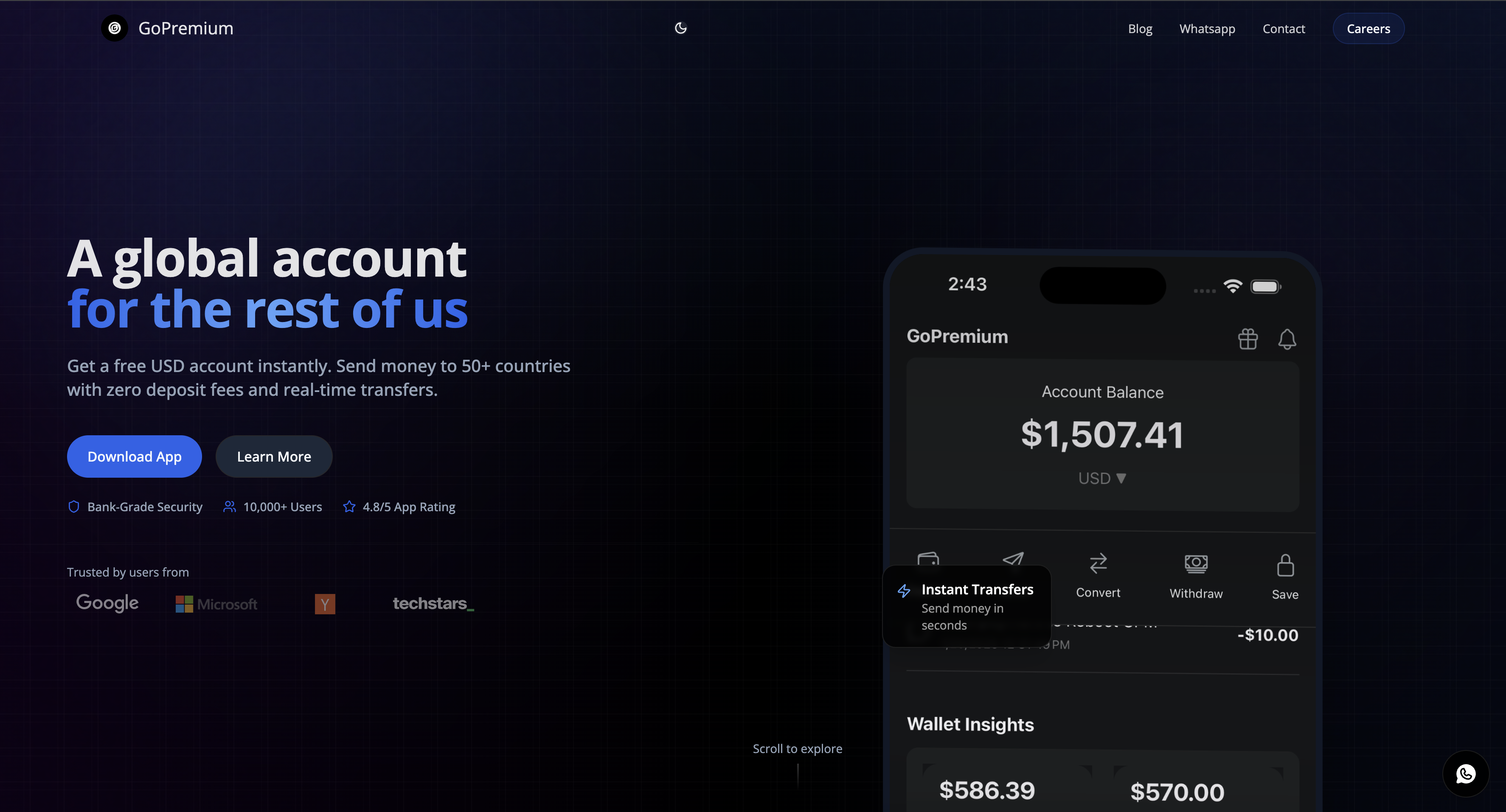
GoPremium simplifies cross-border payments with its developer-friendly API, allowing businesses to access features like free USD deposits and instant transfers. By integrating GoPremium's API, businesses can ensure compliance with local regulations, thanks to its MSB license, and provide customers with secure, efficient payment solutions.
Benefits of Using GoPremium's API
- Free USD Deposits: Reduce costs with zero fees on USD deposits.
- Instant Transfers: Enhance customer satisfaction with rapid payment processing.
- Secure Debit Cards: Offer customers a secure way to manage their finances.
Actionable Insights
- Assess Your Needs: Determine the specific payment functionalities your business requires.
- Choose the Right API: Evaluate APIs based on security, scalability, and ease of integration.
- Leverage GoPremium: Utilize GoPremium's API for seamless cross-border transactions and compliance assurance.
Conclusion
Payment APIs are indispensable tools for modern businesses, offering the flexibility and security needed to thrive in today's digital landscape. By integrating solutions like GoPremium, businesses can not only enhance their payment processing capabilities but also expand their reach into new markets.
---
By understanding and leveraging payment APIs, businesses can unlock new opportunities for growth and customer satisfaction.
Stay updated
Get the latest updates on product features and fintech insights.